Oral health as a foundation of overall longevity
Healthy aging often begins withf what’s happening in your mouth. Many aspects of health remain highly responsive to the care we give them throughout life, and oral health is one of the most influential.
It’s obvious that the mouth affects eating and speech; less obvious is its influence on long-term health. Changes such as gum inflammation, reduced saliva, or tooth loss may seem minor at first, yet they can quietly affect nutrition, immunity, and overall wellbeing.
When oral health is stable, everything feels easier. Eating remains enjoyable, communication stays effortless, and the body is better supported from within. Seen in this light, oral care becomes more than routine. It becomes a practical, powerful investment in long-term health, independence, and quality of life.
Your smile’s systemic impacts
Chronic gum disease, or periodontitis, is not confined to the mouth. It is a persistent inflammatory condition that can influence the entire body. Bacteria from infected gums may enter the bloodstream, contributing to systemic inflammation that affects cardiovascular and respiratory health.
Research continues to highlight associations between periodontal disease and conditions such as heart disease and stroke. While oral health is one factor among many, its role in reducing inflammatory burden is increasingly recognised.
Oral bacteria interact with metabolic processes in ways that are often overlooked. In individuals with diabetes, for instance, gum disease can make blood sugar levels more difficult to control. In turn, poorly managed diabetes may worsen oral inflammation.
This bidirectional relationship reinforces a key point. Oral health is not isolated. It is closely integrated with broader systemic stability.

Medication-induced dry mouth
Many medications commonly prescribed in later life, including those for blood pressure, cholesterol, and mood regulation, can reduce saliva production. This condition, known as xerostomia, is frequently underestimated.
Saliva performs essential protective functions. It neutralises acids, supports remineralisation, and helps control bacterial populations. A reduction in saliva alters the balance of the oral environment.
Without adequate saliva, teeth become more vulnerable to rapid decay. Patients may experience increased sensitivity, difficulty swallowing, and a higher risk of infection. These changes can occur even in individuals with previously stable oral health.
Management is both practical and effective. Professional fluoride applications, remineralising agents, hydrating gels, and tailored oral care routines can restore balance. Regular dental assessment ensures that early signs of deterioration are addressed before they progress.
Nutrition, mastication, and cognitive health
A functional bite supports more than comfort. It allows for a varied, nutrient-rich diet that is essential for maintaining muscle mass, immune function, and overall energy levels. When chewing becomes difficult, dietary choices often narrow, leading to nutritional compromise.
Emerging research suggests that effective mastication may play a role in maintaining cognitive function. Chewing stimulates blood flow to the brain and supports neural activity. While this area continues to evolve, the link between oral function and cognitive health is increasingly compelling.
Oral hygiene also plays a role in respiratory health. Harmful bacteria from the mouth can be aspirated into the lungs, particularly in older adults or those with swallowing difficulties. Maintaining a clean oral environment reduces the risk of aspiration-related infections, including pneumonia.
Modern tooth restorations
Advancements in dental care have transformed restorative options. While traditional dentures remain a solution for some, many patients now seek more stable and natural-feeling alternatives.
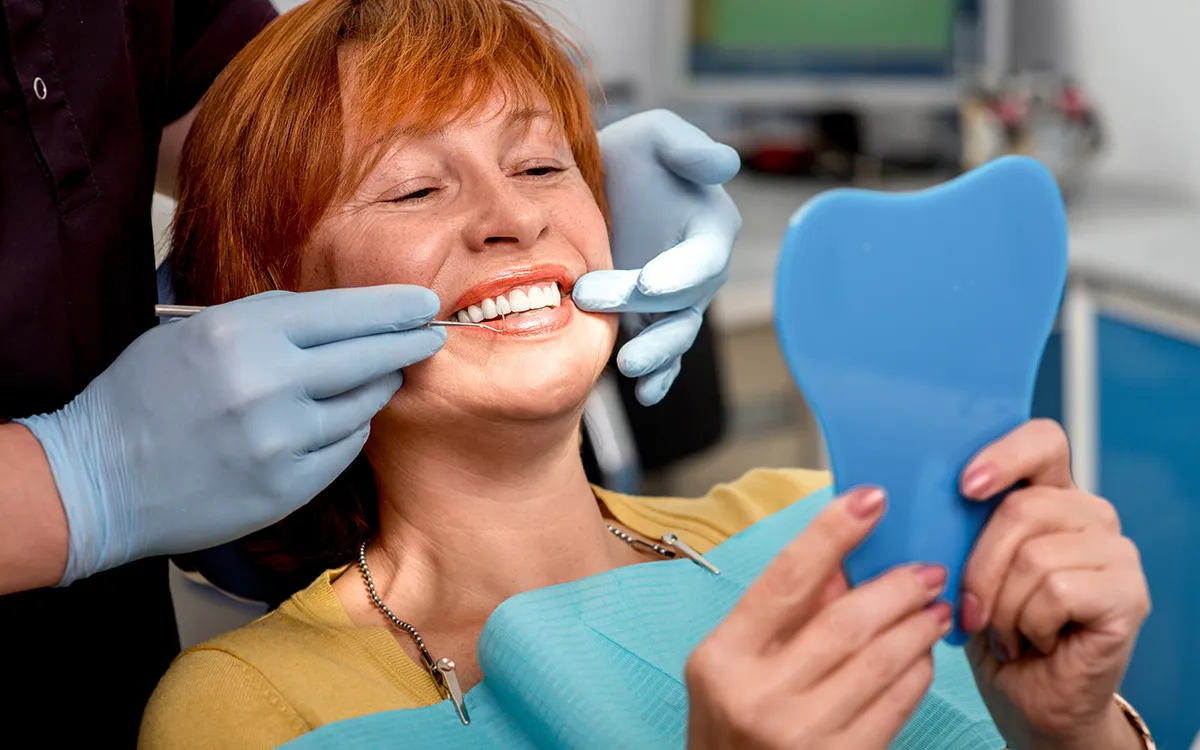
Dental implants and full-arch solutions such as All-on-X provide fixed restorations that closely replicate natural teeth. These approaches restore confidence in speaking, eating, and social interaction.
Tooth loss affects more than appearance. It leads to gradual bone resorption, which can alter facial structure over time. Dental implants stimulate the jawbone in a manner similar to natural tooth roots, helping to preserve bone density and facial support.
This preservation contributes not only to aesthetics but also to long-term oral stability.
Practical care as life progresses
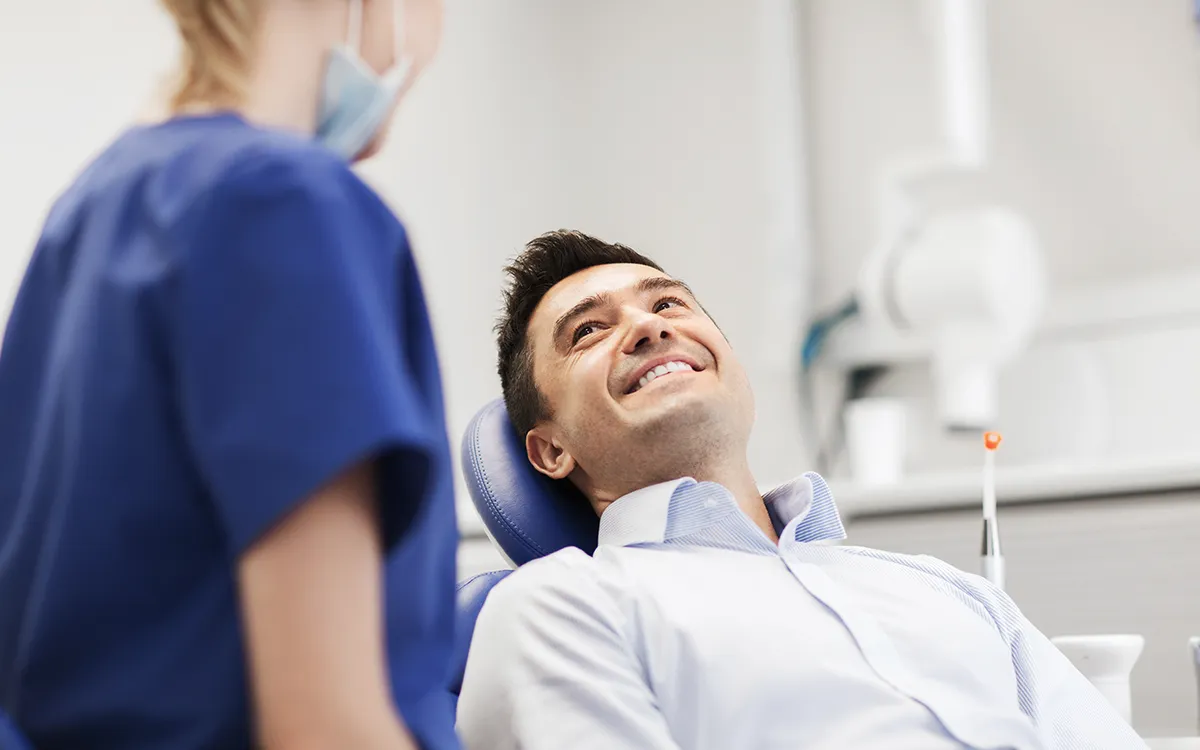
Routine dental visits evolve in importance with age. They are no longer limited to cleaning and examination. They serve as comprehensive health checkpoints, identifying early signs of oral and systemic concerns.
Consistent reviews allow for timely, conservative intervention.
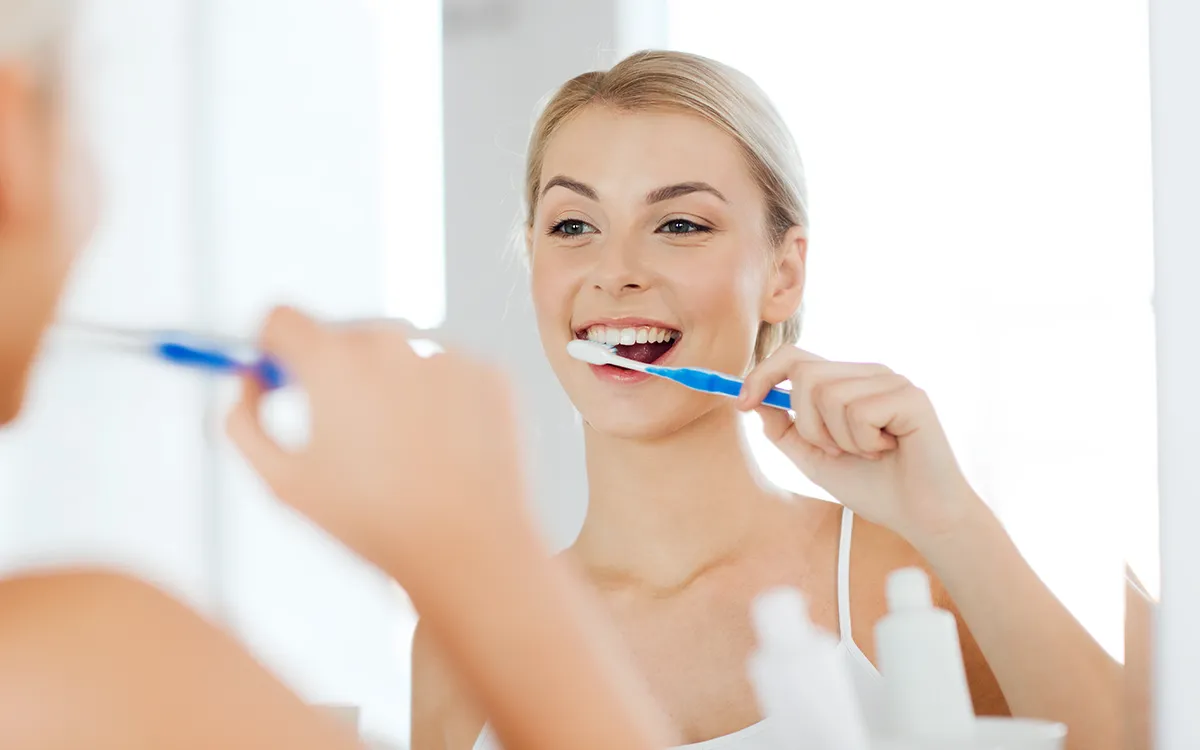
Changes in dexterity or mobility can make traditional oral hygiene more challenging. Adaptive tools such as electric toothbrushes, water flossers, and ergonomic handles provide effective alternatives.
Personalised guidance ensures that daily care remains both manageable and thorough.
Regular oral cancer screenings, monitoring of existing restorations, and tailored preventive strategies become increasingly important. Each contributes to maintaining a stable and comfortable oral environment.
Live better from now on
Lifespan measures duration. Healthspan measures quality. True longevity is not defined by years alone, but by the ability to eat well, speak clearly, and comfortably enjoy life.
Oral health underpins each of these experiences. It supports systemic balance, protects against preventable complications, and preserves dignity in everyday life. The benefits extend beyond the clinical. They influence confidence, social engagement, and overall wellbeing.
Prioritising oral care remains one of the most practical and impactful steps towards healthy ageing. Regular dental visits, thoughtful home care, and early intervention create a foundation that supports both longevity and quality of life.
A healthy smile, maintained with consistency and care, becomes a lasting asset well into later years. Whatever your age, prioritise your healthspan with routine dental care and effective oral hygiene.