
Creating natural balance in uneven smiles
True beauty in a smile is found in harmony, not rigid uniformity. While “perfectly straight” teeth are often marketed as the ideal, a high-end dental result complements your unique facial architecture, with the most refined smiles often defined by subtle character and nuanced individuality.
No smile is perfectly symmetrical. Subtle variations in tooth size, shape, and alignment contribute to character and authenticity. Modern aesthetic dentistry refines these differences rather than removing them, creating balance while preserving individuality.
Why smiles are naturally uneven
Most smiles are not perfectly even. Subtle differences in tooth length, shape, spacing, or alignment are common and often go unnoticed until they become more pronounced.
These variations can develop for several reasons, including:
- Natural tooth anatomy, where inherited differences in tooth size, shape or eruption patterns influence symmetry
- Everyday function, such as chewing patterns or grinding, which may gradually wear some teeth more than others
- Minor alignment shifts that occur over time and affect spacing or proportion
- Uneven gum levels, which can alter how much of each tooth is visible
- Past dental work, trauma or minor chipping, which can subtly disrupt balance
In many cases, these irregularities are no problem at all and can even add individuality and character to a smile. Concerns typically arise when the imbalance begins to affect overall harmony, drawing attention away from the natural flow of the smile.
Modern aesthetic dentistry approaches this not as a flaw to be corrected, but as a foundation to be refined. The goal is to refine proportion while preserving what makes the smile uniquely yours.

Bite relationships and functional forces
Unevenness is not always purely cosmetic. Bite relationships, tooth wear from grinding, and functional habits can influence symmetry over time. In some cases, what appears to be an aesthetic concern may reflect underlying occlusal imbalance that should be considered as part of treatment planning.
Some unevenness may be primarily aesthetic, while other cases can influence bite function, tooth wear, or long-term stability, which is why careful assessment matters.
Philosophy of proportionality
A well-designed smile is guided by proportion rather than strict symmetry. One classical concept often referenced is the “golden ratio”, though modern smile design tends to use broader principles of proportion tailored to the individual. Ultimately, the goal is not to achieve mathematical perfection but to create visual harmony.
Minor irregularities can often enhance vitality. A slight variation in tooth length or contour can prevent a smile from appearing flat or artificial. The aim is not uniformity, but coherence.
Symmetry is frequently misunderstood as identical repetition. In reality, a symmetrical smile is one that feels balanced when viewed as a whole. Uniformity, on the other hand, can result in a rigid and manufactured look.
A refined aesthetic outcome allows for subtle differences, provided they support the overall structure of the smile.
Teeth do not exist in isolation. The curvature of the lips, the position of the jaw, and the dynamics of facial movement all influence how a smile is perceived. A well-designed smile follows the natural arc of the lower lip and complements facial proportions.
This broader perspective ensures that adjustments to the teeth enhance the entire facial presentation, not just the dental alignment.
Aesthetic balance is also influenced by the relationship between the dental midline and the centre of the face, as well as the way the incisal edges follow the contour of the lower lip. These subtle relationships often determine whether a smile feels naturally harmonious.
Precise diagnosis
Advances in digital technology have reshaped aesthetic planning. Digital Smile Design uses high-resolution imaging and 3D mapping to preview potential outcomes before any treatment begins.
This allows patients to visualise proposed changes, understand proportions, and actively participate in the design process. The result is a more transparent, predictable, and highly personalised treatment pathway.
The incisal edge, the biting edge of the front teeth, plays a critical role in perceived symmetry. Even subtle variations in length or wear can disrupt balance, particularly when one side appears shorter or less defined.
Even minor chipping or uneven wear at these edges can make teeth appear asymmetrical, sometimes more noticeably than alignment itself.
Detailed assessment of these edges allows clinicians to pinpoint where refinement is needed to restore a more even and harmonious outline.
Gum levels significantly affect how symmetry is perceived. Uneven gingival margins can make teeth appear inconsistent in length, even when the teeth themselves are structurally similar.
Careful contour refinement of the gum line can dramatically improve proportional balance without altering the teeth. This remains one of the most powerful yet understated tools in smile design.
Minimal intervention for maximum harmony
Enamel contouring is a highly precise technique that refines the outer surface of the teeth. Subtle reshaping can smooth irregular edges, improve proportional flow, and enhance visual alignment.
It is a conservative procedure, typically requiring no anaesthesia, and is often the first step in addressing mild asymmetries.
Composite bonding allows targeted addition of structure where needed. Tooth-coloured resin is carefully layered to enhance smaller or uneven teeth, creating improved width, contour, and balance.
Material selection is matched to the natural shade and translucency of the dentition, ensuring seamless integration. This approach preserves healthy tooth structure while delivering meaningful aesthetic refinement.
In many cases, subtle reshaping or additive techniques can improve symmetry without resorting to more invasive treatment.
Function before restoration
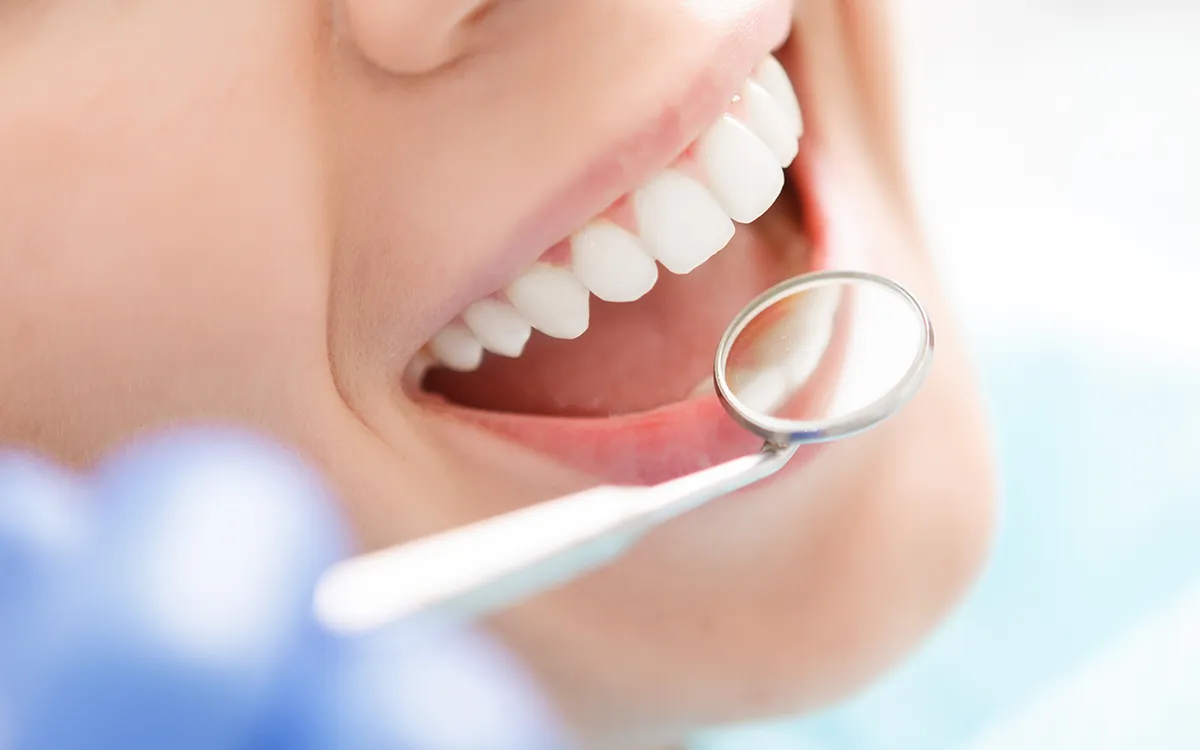
This foundation often determines the longevity of aesthetic treatment. Long-term aesthetics depend on a stable bite. Before cosmetic refinement, clinicians often assess how the teeth meet and function under load, ensuring the final result is not only beautiful but also durable.
Precision-led restorative care
When asymmetry is more complex, involving rotation, spacing, or significant proportion discrepancies, ceramic veneers may be indicated. Modern techniques prioritise minimal preparation, preserving as much natural enamel as possible.
These restorations are designed to replicate the translucency, texture, and light dynamics of natural teeth, allowing for precise and highly controlled aesthetic correction.
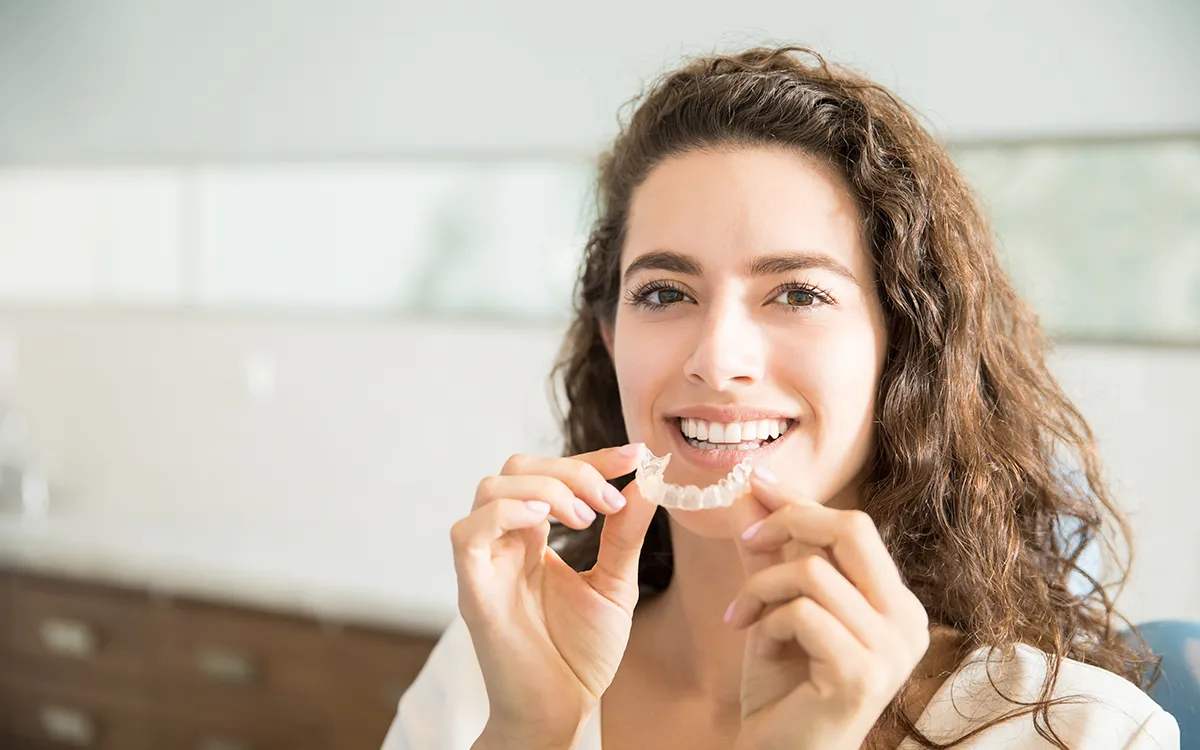
In select cases, alignment correction forms the foundation of symmetry. Clear aligners or targeted orthodontic treatment can reposition teeth into a more balanced and functional arrangement.
This foundational step often reduces the need for extensive restorative work, enabling a more conservative and predictable overall outcome.
Stay true to your natural identity
A successful smile design respects individuality. Tooth shade, surface texture, and translucency are tailored to the patient rather than selected from a standard template.
This ensures the final result feels true to the individual and integrates naturally with the surrounding features.
Natural teeth often feature slightly rounded edges and subtle translucency. Overly bright or perfectly uniform teeth can appear out of place, particularly if they do not align with the patient’s age or facial characteristics.
Designing with age in mind allows for a result that feels both refined and believable.
Harmony refined with character
A naturally uneven smile does not require correction in the traditional sense. It requires thoughtful refinement. Through careful assessment and conservative techniques, asymmetry can be transformed into balance without sacrificing authenticity.
The most successful outcomes are those that feel effortless. The smile appears enhanced, yet unmistakably personal.
Support your natural balance
A refined smile is not defined by appearance alone. It plays a critical role in function, stability, and the longevity of oral health. Routine dental assessments allow subtle changes in wear, alignment, and gum levels to be addressed before they affect overall harmony.
Daily care remains essential. Thoughtful oral hygiene and professional maintenance ensure that both health and aesthetics are sustained over time.
The best smile design does not erase individuality. It refines unevenness thoughtfully, bringing natural features into their most balanced, functional and harmonious expression.