
People often picture “dental trauma” as broken teeth and other major damage. Yet, even small chips, fine cracks, or minor knocks can cause problems that aren’t immediately apparent. Inconspicuous damage, such as small chips, hairline cracks, or seemingly harmless knocks, can have significant consequences if left untreated. Hidden injuries beneath the surface may weaken the tooth, affect surrounding tissues, or create risks that only a professional evaluation can detect. Recognising the subtle signs and seeking timely care helps preserve both the function and health of your teeth, preventing complications before they escalate.
What is dental trauma?
Dental trauma refers to any injury that affects the teeth, gums, jaw, or surrounding soft tissues. It includes both obvious damage, such as a broken tooth, and more subtle injuries that may not be immediately visible. Even minor trauma can cause hidden problems, including cracks in the tooth structure, damage to nerves or blood vessels, or openings that allow bacteria to enter. Early professional assessment is crucial for identifying these issues before they lead to pain, infection, or long-term complications.

Types of dental trauma
From minor surface damage to more complex injuries involving supporting structures, dental trauma takes many forms:
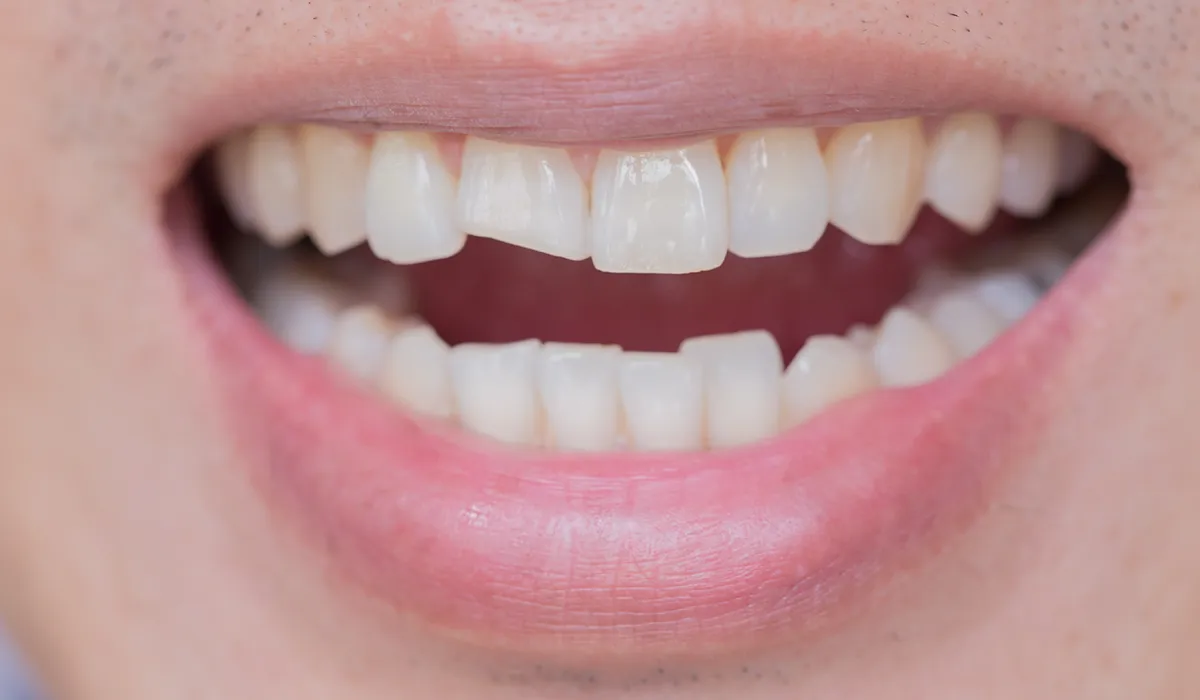
Chipped or fractured teeth: Small cracks or loss of enamel that may expose deeper tooth layers and weaken the tooth over time.
Dislodged or loosened teeth: Teeth that have shifted position due to impact, affecting the surrounding ligaments and bone.
Knocked-out teeth (avulsion): Complete displacement of a tooth from its socket, requiring immediate professional care.
Soft tissue injuries: Cuts, bruising, or lacerations to the gums, lips, cheeks, or tongue that may bleed or become infected.
Jaw or bone injuries: Less visible injuries such as fractures, joint strain, or bite misalignment that can affect function and comfort.
Even seemingly minor enamel damage can compromise the tooth’s protective barrier, increasing the risk of sensitivity, decay, and further structural breakdown if left untreated.
How dental trauma happens
Dental trauma can occur during everyday activities and is not limited to sports or major accidents. Common causes include:
- Falls or slips at home
- Biting hard foods or objects
- Accidental impacts during physical activity or play
- Traffic or workplace accidents
- Clenching or grinding of teeth (bruxism), which gradually weakens enamel
Even minor incidents can cause damage beneath the surface of the tooth or supporting structures. This hidden injury may not be immediately apparent, reinforcing the importance of a professional dental assessment following any impact.

Dental trauma in primary teeth
In children, dental trauma commonly affects primary (baby) teeth. Although these teeth are temporary, injuries should not be dismissed. Trauma to primary teeth can influence comfort, function, and the development of the underlying permanent teeth.
Chipped or fractured primary teeth: May cause pain, sensitivity, and difficulty with eating or speaking.
Dislodged or knocked-out primary teeth: In more severe cases, trauma can affect the developing permanent tooth beneath the gum.
Risk of complications: Even minor injuries may lead to infection, delayed healing, or disruption to the normal eruption of adult teeth.
A timely dental assessment allows for appropriate management, reduces the risk of infection, and supports healthy oral development as permanent teeth emerge.
Dental trauma in permanent teeth
Permanent teeth are designed to last a lifetime, making any injury a matter of long-term importance. Even small cracks or chips can progress if left untreated.
Fractures or chips: May expose deeper layers of the tooth, increasing vulnerability to decay and ongoing sensitivity.
Loosened teeth: Trauma can damage the surrounding ligaments and bone, compromising tooth stability if not addressed.
Root or nerve injury: Impact may affect the pulp, sometimes leading to delayed pain, discolouration, or infection.
Early professional evaluation and appropriate treatment help preserve tooth structure and function, often preventing the need for more extensive restorative procedures in the future.
Why take minor trauma seriously
Small dental injuries can appear insignificant at first, yet they often involve risks that are not immediately visible. Trauma may affect structures beneath the surface, allowing problems to develop gradually.
Internal fractures: Damage within the tooth structure may not be visible but can weaken the tooth over time.
Pulp injury: Impact can disrupt the nerve or blood supply, potentially leading to pain, infection, or tooth discolouration.
Delayed symptoms: Sensitivity, colour changes, or mild discomfort may only emerge days or weeks after the injury.
Increased infection risk: Cracks or chips can create pathways for bacteria, raising the likelihood of decay or abscess formation.
Even when a tooth appears intact, hidden fractures or pulp damage can compromise its long-term health, making professional assessment essential.
Look out for these signs and symptoms
Dental injuries can present with a range of signs, some subtle and others more obvious. Early recognition allows hidden damage to be identified and managed promptly.
- Tooth sensitivity to hot, cold, or pressure
- Visible cracks, chips, or changes in tooth colour
- Looseness or slight change in tooth position
- Pain when biting or chewing
- Minor swelling or bleeding of the gums
- Bruising or discolouration of surrounding soft tissues
Even mild symptoms should prompt a professional check. Early assessment can prevent small issues from developing into more serious complications.
Hidden factors of dental trauma
Dental trauma can involve subtle changes that are not immediately visible during a routine self-check. These hidden factors may progress quietly if left undetected.
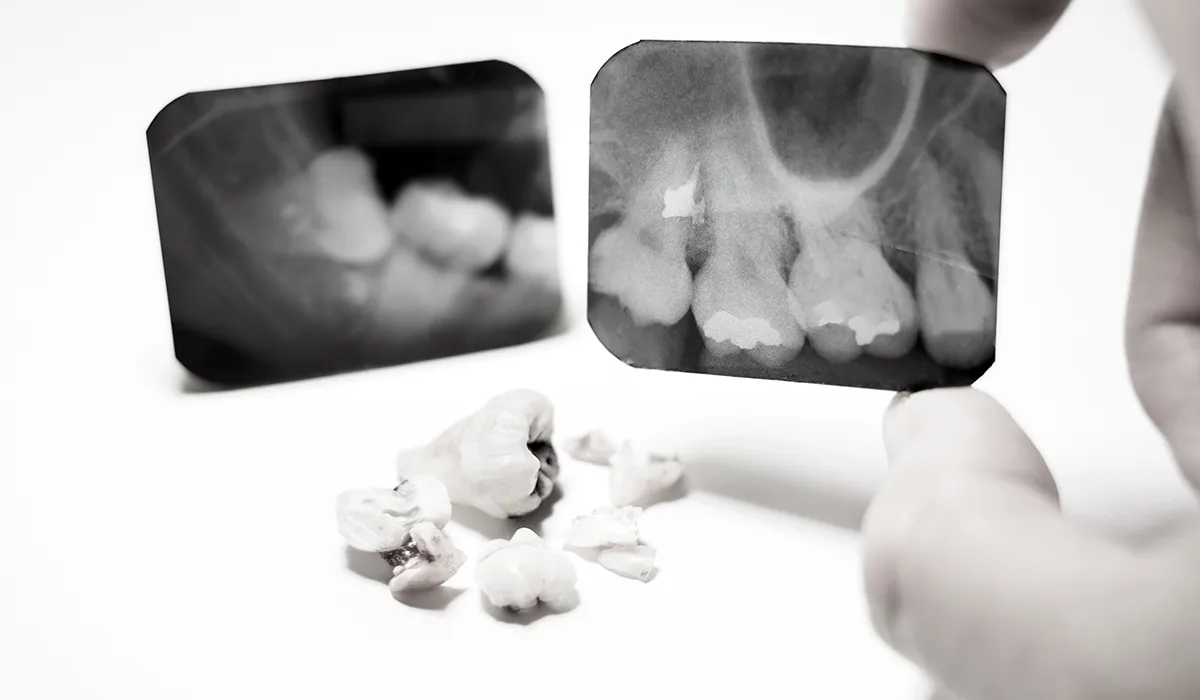
Microfractures: Small internal cracks within the tooth that are not visible to the naked eye but can weaken its structure.
Root damage: Trauma may affect the root or surrounding tissues, reducing stability and increasing the risk of future complications.
Changes in jaw alignment: Even minor impacts can disrupt bite balance or jaw function, leading to discomfort or uneven wear.
Delayed pulp necrosis: Damage to the tooth’s nerve and blood supply may result in gradual nerve death weeks or months after the injury, often without early warning signs.
Diagnostic tools such as dental X-rays and clinical assessment are essential for identifying these underlying issues and guiding appropriate treatment.
When to seek urgent care
Certain situations require immediate attention to protect tooth structure and overall oral health:
- Severe or worsening pain and swelling
- A tooth that has been completely knocked out
- A tooth that is visibly loose, displaced, or misaligned
- Bleeding that does not stop with gentle pressure
- Signs of infection, including pus, fever, or increasing tenderness
Prompt care reduces the risk of long-term damage and the need for more extensive treatment. If there is severe facial trauma, uncontrolled bleeding, or concern about breathing or consciousness, call 000 immediately. Otherwise, seek urgent dental assessment.
Care after a dental injury
Appropriate care following a dental injury is essential to protect the affected area and support proper healing.
Immediate care: Gently rinse with water to remove debris and help control bleeding.
Protect the injured area: Avoid chewing on the affected side and follow a soft diet if recommended.
Pain management: Over-the-counter pain relief may help manage discomfort, but it should not replace professional assessment or mask worsening symptoms.
Follow-up care: Attend all recommended dental appointments to monitor healing and identify any delayed complications.
Prompt and appropriate post-injury care reduces the risk of infection, limits further damage, and supports a smoother recovery.
Preventing dental trauma
Reducing the risk of dental trauma involves a combination of protective strategies and everyday habits.
- Wear a mouthguard during sports or high-impact activities
- Avoid biting hard objects or using teeth as tools
- Maintain strong enamel through regular brushing, flossing, and appropriate fluoride use
- Address teeth grinding or clenching with dental appliances if recommended
- Keep the home and workplace environment safe to reduce the risk of slips and falls
Preventive care not only helps protect teeth from injury but also supports their long-term function and durability.

How dental trauma is treated
Treatment for dental trauma is tailored to the type and severity of the injury, with the goal of preserving tooth structure and long-term oral health.
Direct restoration: Minor chips or fractures may be repaired with tooth-coloured composite materials to restore form and function.
Veneers or crowns: Used to protect and strengthen teeth that have been structurally compromised, while restoring their natural appearance.
Root canal therapy: Required when trauma damages the tooth’s pulp, helping to eliminate infection and preserve the remaining tooth structure.
Splinting: Loosened teeth may be stabilised temporarily to allow the surrounding tissues to heal.
Ongoing monitoring: Follow-up visits allow the dentist to detect and manage any delayed complications associated with dental trauma.
Early professional intervention reduces the risk of long-term damage and helps maintain both the health and appearance of the smile.
Protect your smile with professional care
Even minor dental injuries can carry hidden risks that may affect your long-term oral health. A professional assessment helps identify underlying damage, prevent complications, and provide reassurance. Pairing careful monitoring with consistent oral hygiene, such as brushing twice daily, flossing, and attending regular dental check-ups, offers the strongest protection against both visible and hidden dental trauma.
Seeking prompt professional advice after a knock, chip, or minor impact can prevent discomfort, limit the need for extensive treatment, and preserve the health and function of your teeth. Every injury deserves attention, no matter how small it may seem.
* For urgent dental assistance or treatment, please call (08) 6361 1565. If the situation is life-threatening or involves severe trauma, call 000 immediately.