

Keep cavities out of your dental crowns
Dental crowns can give worn-out teeth a fresh start, letting you bite, chew, and smile without worry. You quite likely know that a crown shields the natural tooth beneath, but were you aware that it’s still possible for a crowned tooth to get cavities? When decay sneaks in under the crown, it is hard to spot and gets tricky to treat once it’s had time to settle.
So, now you know crowned teeth are not immune from decay. What’s the bright side to this? Keeping the right habits and using a bit of know-how, you can keep your crowned tooth healthy for years to come. Let’s start with the basics, and walk you through to lasting oral health.
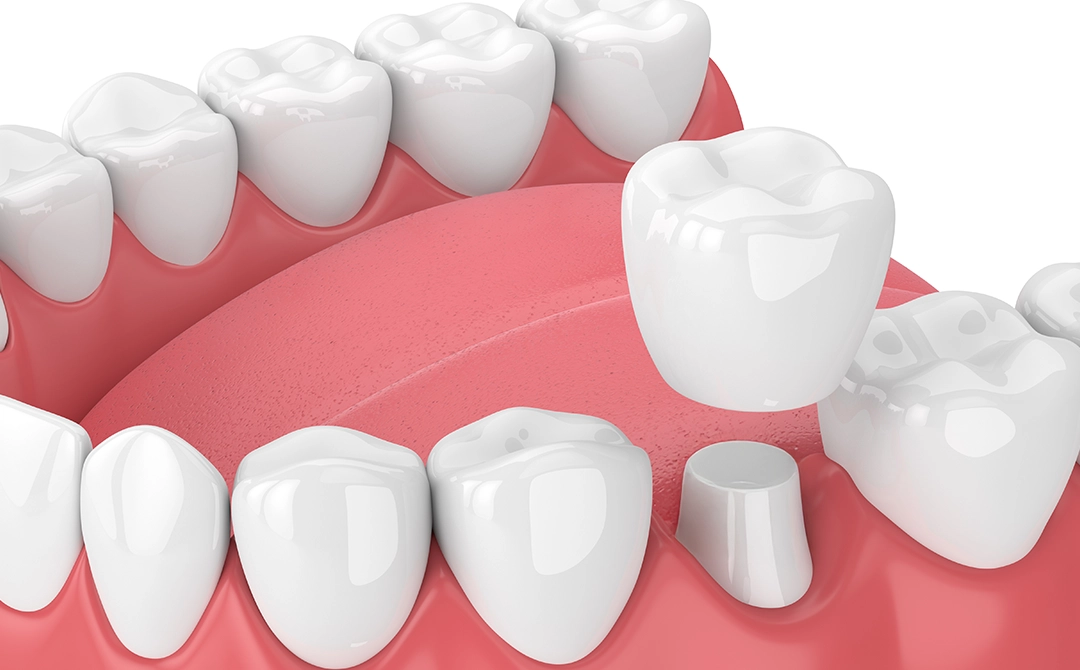
What exactly is a dental crown?
A dental crown is a custom-made “cap” placed over a tooth to restore its shape, strength, and function while improving its appearance. It’s used when a tooth is no longer strong enough to support a standard filling, or has been otherwise structurally compromised. Your dentist may recommend a crown if a tooth is:
- Severely decayed
- Cracked or fractured
- Significantly worn down
- Treated with a root canal
- Previously rebuilt with large or multiple fillings
Crowns come in different materials, such as ceramic, zirconia, porcelain-fused-to-metal, or gold. The ideal material for each crown depends on how the tooth is used, where it’s positioned, and the look you want to achieve. Regardless of the material, every crown shares the same essential purpose: to protect and reinforce the natural tooth underneath.
Crowns don’t decay, but the teeth beneath still can. A crown protects the outside of the tooth, but the natural tooth structure underneath remains alive and vulnerable to decay. That’s why careful cleaning and ongoing care around the edges of the crown, known as the margins, is essential for long-term oral health.
Can you get cavities under a crown? Absolutely.
Yes, even with a crown, the tooth underneath can still decay. Dentists call this recurrent decay, and it usually develops right at the margin, along the thin junction where the crown meets your natural tooth.
Why does this happen? Bacteria thrive in small, hard-to-clean spaces. If plaque builds up around the edge of the crown, the acids it produces can seep into microscopic gaps and slowly break down the tooth beneath.
Here’s the tricky bit. The decay is hidden under the crown, so it often doesn’t cause symptoms straight away. By the time it’s noticeable, it’s usually progressed much further than ordinary cavities.
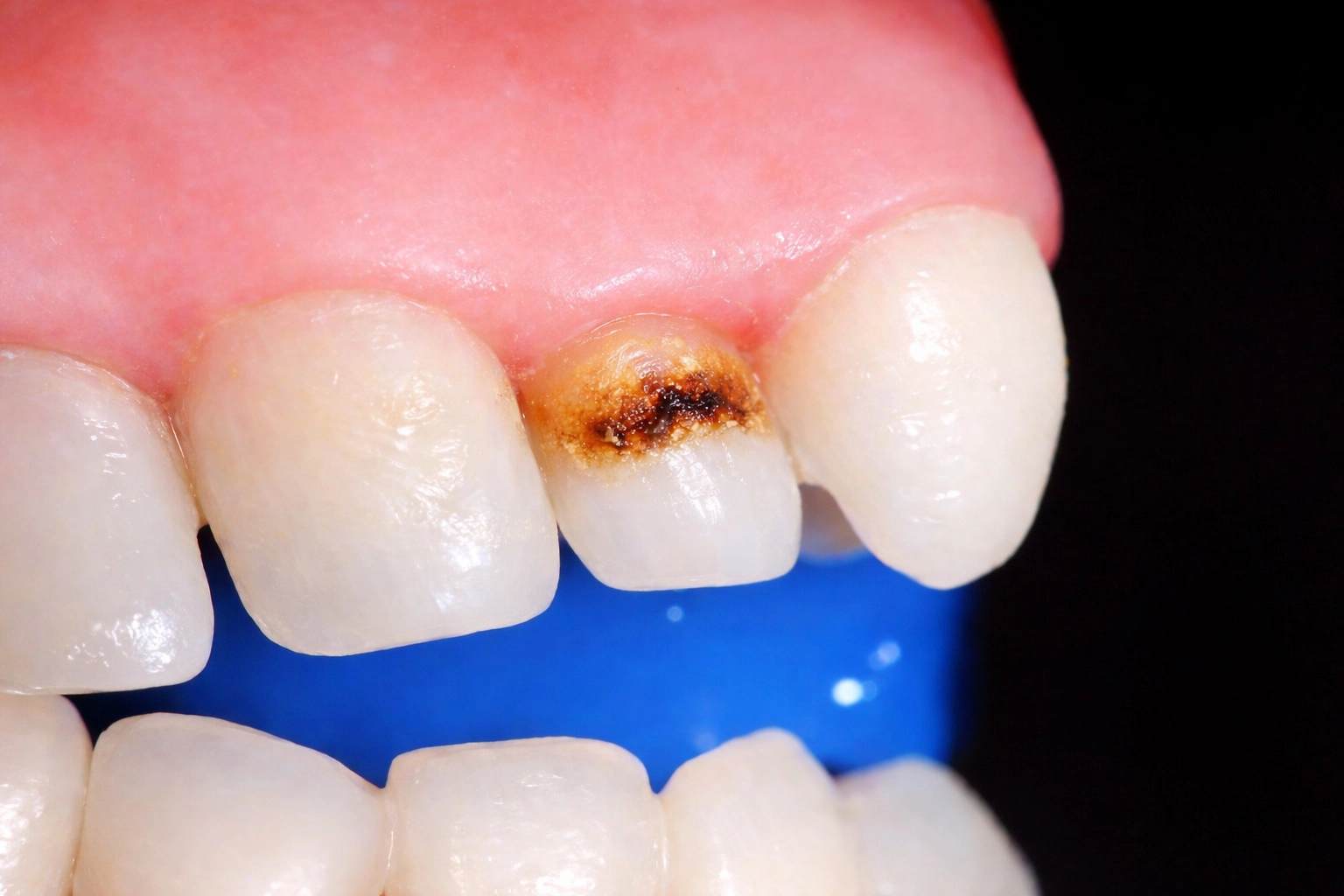
Why cavities grow under dental crowns
1. Poor oral hygiene
Even with a crown, you still need to brush and floss around it properly. If plaque hangs on in the margins for too long, the acids it produces can work their way underneath the crown and cause decay.
2. Leaky or loose margins
If a crown doesn’t fit snugly, which can happen due to wear, age, gum changes, or a poorly fitted crown from years ago, small gaps can form. These tiny spaces become perfect hiding spots for bacteria, allowing decay to start quietly over time.
3. Gum recession
When gums recede, more of the natural tooth and the crown’s edge become exposed. This area is harder to clean and more prone to plaque buildup, increasing the risk of decay.
4. High sugar or acidic diet
Frequent snacking, sugary foods, soft drinks, juices, and sports drinks all feed the bacteria that produce decay-causing acids. When combined with a crown’s margins, the risk climbs even higher.
5. Grinding or clenching (bruxism)
Constant pressure from grinding or clenching can cause micro-movement or wear around the crown’s edges. Over time, this can weaken the seal between the crown and the tooth, allowing bacteria to sneak in.
6. Old crowns past their best years
Crowns are durable but not permanent. While many last 5–10 years or more with great care, older crowns can loosen, crack, or wear down. Once that seal is compromised, the tooth underneath becomes more vulnerable to decay.
Signs something’s not right under your crown
Decay under a crown doesn’t always show obvious symptoms early on. Here are the warning signs to keep an eye on:
- Sensitivity around the crowned tooth
- Pain or discomfort when biting or chewing
- A persistent foul taste or smell coming from the area
- Movement or looseness of the crown
- Gum swelling, redness, or bleeding near the crown’s margin
Even if your crown just feels a bit “off,” or slightly different than usual, don’t ignore it. A quick dental check can pick up problems early, before they turn into bigger (and more expensive) issues.
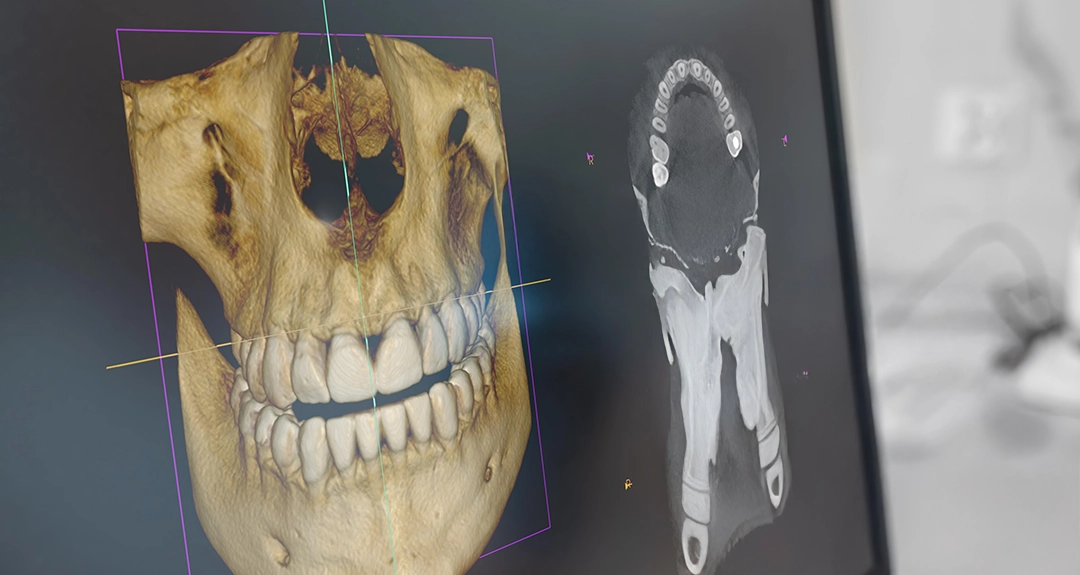
How dentists diagnose decay beneath a crown
A crown covers most of the tooth, so problems underneath aren’t always visible during a simple visual check. To get an accurate picture of what’s going on, dentists may use a range of diagnostic tools:
- X-rays: Helpful for spotting decay around the crown margins and under the restoration.
- CBCT (3D scan): Offers a detailed three-dimensional view of the tooth and surrounding bone, making it easier to detect hidden decay, fractures, or infection that standard X-rays might miss.
- Intraoral cameras: Provide a magnified, high-resolution look at the crown edges, gum health, and any suspicious areas.
- Clinical testing: Checking for looseness, gaps, sensitivity, or gum changes around the crown.
- Exploratory removal: If strong signs of decay are present but still hard to confirm, the dentist may remove the crown to examine the tooth directly.
Early detection usually means a simple crown replacement or a small repair. This story changes when decay has set in more deeply, as this means more invasive treatments such as a root canal, a new buildup, or, in more severe situations, extracting the tooth.
Regular check-ups and professional cleans are especially important when you have crowns, as they help catch problems early, long before pain sets in.

How modern crowns (like CEREC or zirconia) reduce risks
Advances in dental technology have made today’s crowns stronger, more precise, and far better at protecting the tooth underneath than older materials. Modern options like CEREC same-day crowns and high-strength zirconia crowns are designed to reduce the likelihood of recurrent decay in several ways:
1. Superior fit and precision
Digital scanning and CAD/CAM technology allow dentists to create crowns with an incredibly accurate fit. A snug, well-sealed margin means fewer tiny gaps where bacteria can slip in — one of the biggest factors in preventing decay under crowns.
2. Stronger, more durable materials
Zirconia and high-quality ceramics are exceptionally strong and highly resistant to chipping, cracking, or wear. When the crown stays intact and stable, it maintains a tight seal around the tooth for longer.
3. Same-day fabrication (CEREC)
CEREC crowns are made in a single appointment using digital impressions. That means:
- No temporary crowns that can loosen or trap bacteria
- A reduced chance of contamination during the waiting period
- A crown that’s custom-designed to fit your tooth on the spot
- Fewer steps → fewer opportunities for leaks or fit issues.
4. Better biocompatibility
Modern ceramic and zirconia crowns are gentle on the gums. Healthier gums mean less inflammation, less recession, and better protection around the crown’s margin, where decay typically starts.
5. Long-term stability
Because these materials resist wear and micro-movement, they maintain their seal for many years. A stable crown significantly reduces the risk of bacteria sneaking in underneath.
How to keep cavities out
Crowns are strong, but they still rely on your daily care. Here’s how to keep decay at bay:

1. Brush twice a day (properly)
Use a fluoride toothpaste and angle your brush toward the gumline to clean the edges of your crowns effectively. Brushing thoroughly removes plaque and keeps the tooth underneath healthy.
2. Consider interdental brushes or water flossers
These tools make it much easier to clean tight spots around crowns, bridges, and other restorations. They reach areas that standard floss sometimes misses.
3. Limit sugary and acidic snacks
Frequent snacking, soft drinks, juices, sweets, and even crackers feed the bacteria that produce decay-causing acids. Being mindful of your diet can make a big difference.
4. Wear a nightguard if you grind
Grinding or clenching can wear down crown margins, weaken the seal, and create small gaps for bacteria. A nightguard helps protect both your crown and the tooth beneath.

5. Floss every day
Yes, every day, especially around crowned teeth. Plaque loves hiding between teeth, and flossing is the best way to sweep it out of tight spaces before it turns into decay.
6. Schedule regular dental check-ups and cleans
Even if your crown feels fine, regular dental visits are crucial. Dentists can spot early signs of decay or margin issues before they become bigger problems — saving your tooth, your crown, and a lot of stress.
Healthy teeth from crown to root
Dental crowns are durable, reliable, and a real game-changer for damaged teeth, but they still need appropriate care. Remember, it’s a dental restoration, not a free pass for bad habits. Put a little more focus on your dental hygiene regime today and you can enjoy optimal oral health for the longest time.

Strong smiles for life with consistent care
If your last check-up was a while ago, or your crown feels even slightly different, don’t put it off. A quick dental visit can catch problems early, saving discomfort and sometimes even the tooth itself. Combine that with daily brushing, careful flossing, and mindful habits, and your crowned tooth can stay healthy and cavity-free for many years.
It’s the small things that count toward great oral health for life. Consistent preventative care, healthy daily habits, and a strong partnership with your dentist work can together to stop cavities before they start, protecting the tooth beneath your crown and keeping your smile strong, confident, and worry-free.

